
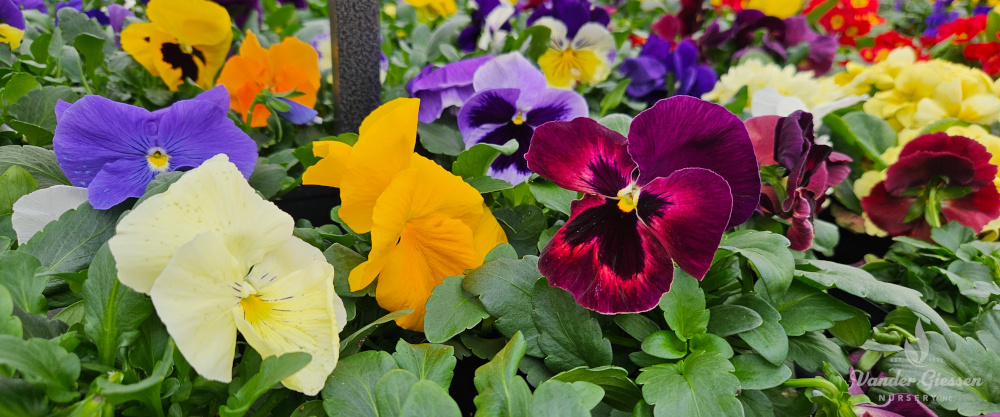
The late Robin Williams famously said, “Spring is nature’s way of saying, ‘Let’s party!’” For gardeners, it’s easy to understand the sentiment—with bulbs bursting into bloom, flowering cherries and forsythia showing off their bright spring colors, and a kaleidoscope of other spring flowers soon to come into bloom, the fun time of year in the garden is just beginning. As you start working around your yard this month, here are a few tips to keep your garden looking its best.
First, planting season has arrived—for shrubs, trees, perennials, and hardy edibles, that is. Here in Whatcom County, the threat of frost can linger until late April, but an overnight freeze won’t hurt hardy plants, especially if they’re hardened off and acclimated to outside temperatures. Consider this: nurseries don’t have the luxury of bringing all their plants in at night, so if you see it sitting outside at a nursery now, it’s probably safe to plant!
One major category of plants to get in the ground in early spring is fruit, including fruit trees, berries, and fruiting vines like grapes. Many garden centers have their best selection this time of year, and transplanting fruit trees while they’re dormant in late winter and early spring is easiest for both the gardener and the trees themselves, as they experience almost no transplant stress. Look for ‘Frost’ peach for a reliably hardy variety to grow in our area, ‘Cosmic Crisp’ apple for the latest and greatest apple variety bred in Washington, or combination trees with multiple varieties of fruit grafted onto one tree for a single tree that provides a wide variety of your favorites.
Second, March is the ideal time to get started on lawn care if you haven’t already. Our lack of winter cold this year means lawns kept growing—albeit slowly—right through winter, and so too did the moss. If you haven’t yet tackled the moss in your lawn this spring, hit it with my recommended three-step process this month: moss killer (Bonide MossMax or ferrous sulfate), lime, and fertilizer, each applied a week apart.
For lime, not all products are created equally, and some types of lime can take months to break down into its usable elements, so look for a fast-acting lime like Espoma Lightning Lime, which works to raise soil pH in a matter of weeks, discouraging moss growth and helping your lawn fully capture and utilize the nitrogen in the lawn fertilizer you spread.
After treating your lawn for moss, you’ll want to rake out the dead moss or dethatch your lawn, but save this step for later this spring after we’ve had a week or so of dry weather to help firm up the soil, which prevents the aggressive dethatching process from damaging your living grass.
In the meantime, March is also a good time to spread a preemergent weed killer on your lawn to keep it weed-free through spring and summer. Products like Bonide Crabgrass Plus prevent grassy weeds like crabgrass and annual bluegrass—also known by its botanical name poa annua—but also keep broadleaf weeds like dandelion, clover, and buttercup from taking over your lawn. The old maxim ‘an ounce of prevention is worth a pound of cure’ is never truer than to a gardener battling weeds, so take a few minutes this month to apply a preemergent and enjoy a weed-free lawn this spring and summer.
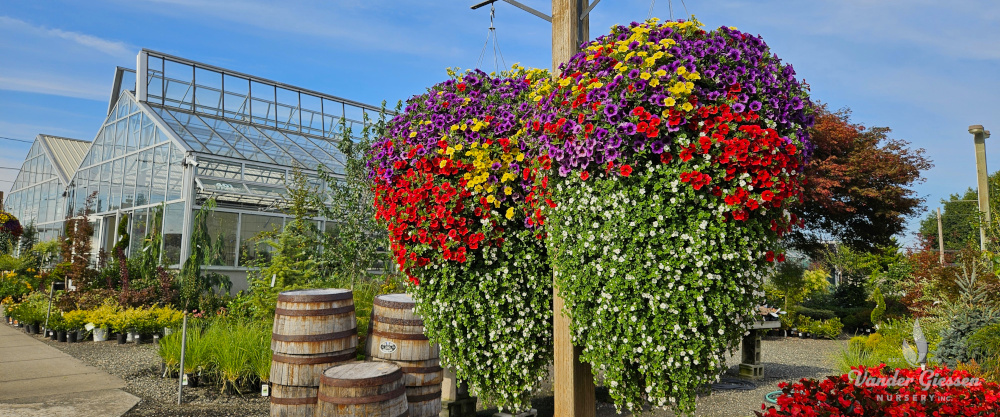
Finally, if you’re itching for some spring color in your pots, it’s still way too early to plant summer annuals, but there’s no reason you can’t enjoy some fresh color with spring pansies, potted bulbs, or other foliage accents like ferns and heuchera. Planned with a little strategy, an early spring planter can be enjoyed on the porch now, then divided up later this spring and planted around the garden to be enjoyed for months or—in the case of perennials like ferns—years to come.
To a gardener, nothing beats that first spring day that really feels like spring. While we endure the on-again, off-again weather that March so often brings, we can all look forward to what’s to come. After all, the party is just getting started!
Leave A Comment