
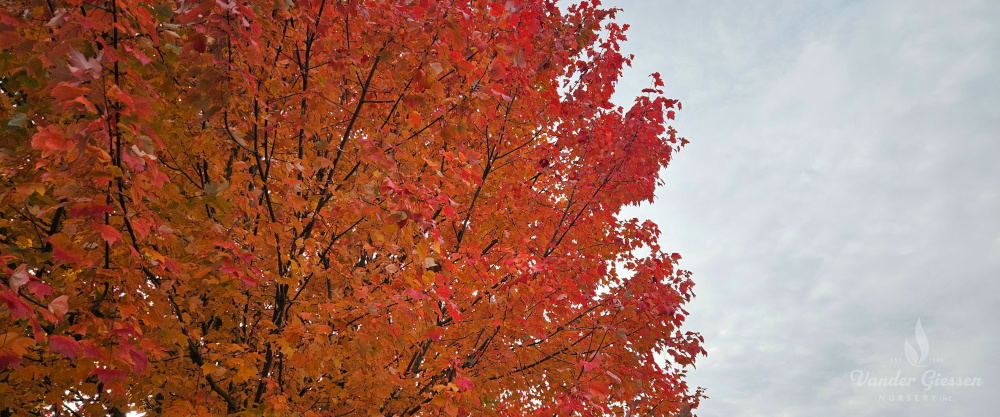
In the last couple of weeks, autumn’s final show of brilliant foliage colors has faded, and with the falling leaves and the changing of the clocks, we’re reminded that winter is just around the corner. While long-range forecasters predict a warmer, drier winter than normal thanks to El Niño, it only takes a couple of well-timed (or ill-timed) storms to throw off the averages and change the history books. That said, it’s always best to be prepared, so here are a few tips to make sure your garden is winter-ready—whatever our winter may bring.
First, with the first frost earlier this month comes the time to start lifting and storing your dahlia tubers for winter. Ask a dozen dahlia growers how they prepare and store their tubers over winter, and you’ll get a dozen different answers. The truth is, there are many great ways to ensure your tubers last through winter, but all of the most successful methods share a few key traits.
Begin by cutting down your plants and digging up your tubers, washing them thoroughly to rinse off any dirt, insect eggs, or other contaminants. Leave them out for several hours to a day to dry but keep them from direct contact with concrete as that can draw moisture out of the tubers themselves, leaving them susceptible to disease.
After drying, disinfect the tubers with fungicide. I prefer Bonide Sulfur Dust for this step, but copper dust works, too. I’ve even heard of some dahlia growers using Lysol spray for this step! Whatever method you use, ensure good coverage on your tubers to kill disease spores that may slowly spread over winter.
Finally, store your tubers in your media of choice—wood shavings and peat moss are both common for tuber storage. More important than your media, though, is the proper humidity. Too humid and your tubers will be susceptible to mold or rot, and too dry and your tubers may lose too much moisture over winter, withering away to the point of no return. Whatever space you choose to store them, keep your tubers cool but above freezing throughout the winter.
Unfortunately, there is no one-size-fits-all way to store tubers, so if you’ve tried one way without success, it’s worth trying again. Every garage, crawlspace, or shop is different, and every gardener’s level of attention to detail can be different, too, so experiment with different methods until you find one that works for you. And thankfully, come spring, your friends who had success overwintering their tubers will have plenty to share, so even if you have a rough winter of storage, there will be dahlias to enjoy next year!
Next, as we prepare for winter, be sure to protect your tender plants against winter burn with Bonide Wilt Stop. Many leafy evergreen plants like rhododendrons, pieris, and nandina can suffer from brown leaf tips or drop some of their leaves altogether after a harsh northeaster. Wilt Stop helps seal moisture into plant leaves and protects against the freeze-drying effects of a cold winter windstorm. For best results, spray on a sunny day, so watch the forecast and plan accordingly.
Finally, November is the time to put your yard to bed. By now, you might have given your lawn its last mowing for the year but keep an eye on any piles of leaves that have settled on your grass. Dry, blowing leaves are no problem for lawns, but rain-soaked, matted leaves can quickly smother out your grass over the winter months, so if you end up with a late delivery of leaves thanks to your neighbor’s shade tree, be sure to rake up or mow over the leaves before they become a matted mess.
Additionally, if you haven’t yet fed your lawn with a winterizing fertilizer, it’s not too late! I typically feed my lawn one last time after my final mowing in November, so if you last fed in September, I’d recommend one final feeding. Winterizer-type fertilizers like Scotts Turf Builder Winterguard are formulated to build a strong root system over winter, allowing your lawn to bounce back quickly as soon as the weather begins to warm up in March. Often overlooked, a late fall fertilizing is one of the best things you can do for your lawn to ensure it stays healthy!
With Thanksgiving just around the corner, this month offers us a great opportunity to reflect with gratitude on another year in the garden. Whether this was your first year playing in the dirt or your 80th, there’s something tremendously rewarding about gardening that we can all be thankful for. Enjoy the slower pace in the garden this winter and the fond memories of a season of growing!


Leave A Comment